-
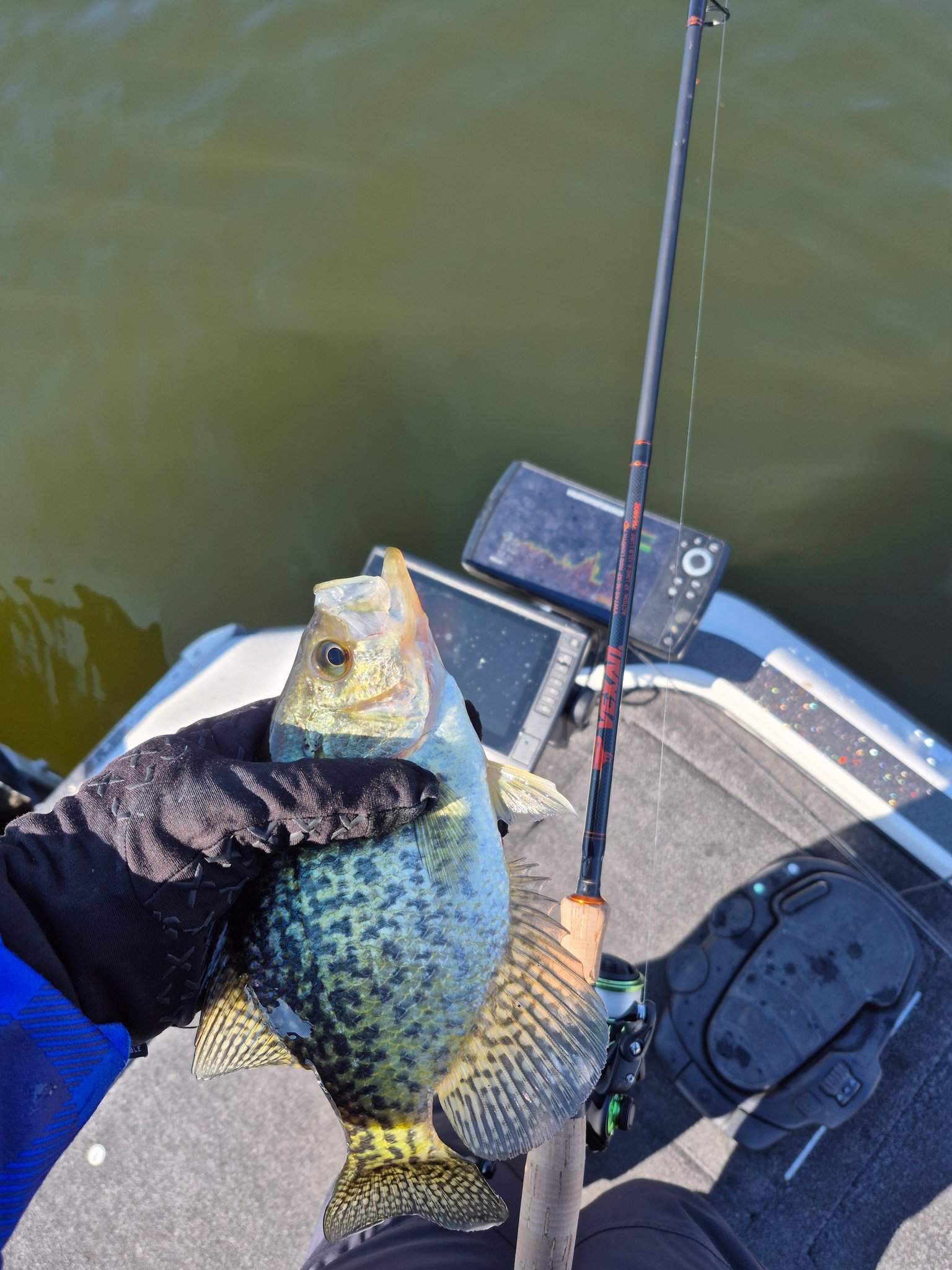
Spring crappie fishing on metro-area lakes can be outstanding if you’re using the right soft plastics. As water temps rise and crappies slide into shallow bays, canals, and weed edges, subtle presentations and natural profiles consistently outproduce everything else. For clients fishing with me on metro lakes in spring, three soft plastic styles dominate: paddle tails, baby shads, and tubes.
Paddle Tail Soft Plastics
Small paddle tail plastics are deadly during spring because they provide action at slow speeds. In cold to mid-40s water temperatures, crappies want a bait that moves without being overworked. A 1.5–2 inch paddle tail rigged on a light jig head creates just enough thump to trigger bites when fish are staging along emerging weeds or suspended near docks.
Best colors: white, pearl, chartreuse, and natural shad
Best retrieves: slow swim or steady glide through coverBaby Shad Plastics
Baby shad-style soft plastics are a staple for spring crappie fishing on pressured metro lakes. Their slim profile closely matches young-of-the-year baitfish and insects crappies feed on early in the season. These plastics excel when fish are neutral or lightly negative, especially in clear water conditions.
Best rigging: cast and slow retrieve or slow pendulum swing under a float
Where they shine: weed edges, falllen timber, and basin transitionsTube Jigs for Spring Crappies
Tube jigs remain one of the most versatile soft plastics for spring crappie fishing. Their hollow body and subtle tentacle movement make them perfect for cold fronts and finicky fish. Tubes are especially effective when pitched into shallow cover like reeds, brush, or boat slips.
Ideal sizes: 1–1.75 inches
Top colors: black/chartreuse, pink/white, glowFinal Thoughts
Matching soft plastics to spring crappie behavior is key to consistent success on metro lakes. Paddle tails cover water, baby shads shine in finesse situations, and tubes catch fish when nothing else will. If you want to shorten the learning curve and stay on active crappies all spring long, fishing these soft plastics the right way makes all the difference.
Looking to dial in your spring crappie bite? Book a guided trip and fish proven metro-lake patterns from ice-out through post-spawn.
-
Minnesota Crappie Fishing: Metro Springtime Slabs
Feb 14, 2026
Where to Find Spring Crappies in Minnesota Metro Lakes
Spring is prime time for crappie fishing in the Minnesota metro area. As ice-out arrives and water temperatures creep into the low-to-mid 40s, crappies begin their predictable spring migration. Knowing where to look in metro lakes can mean the difference between a slow day and a full livewell.
Early Spring Crappie Locations (Ice-Out to Pre-Spawn)
Right after ice-out, crappies move shallow—but not randomly. In Twin Cities metro lakes, focus on:
- North-facing bays that receive the most sunlight
- Shallow flats (4–8 feet) near deeper basin access
- Dark-bottom areas that warm faster
- Emerging weeds, reeds, and cattails
Metro lakes warm quickly compared to northern Minnesota waters, so crappies often push shallow earlier than many anglers expect.
Best Structure to Target in Metro Lakes
Spring crappies relate heavily to structure during warming trends. Productive areas include:
- Newly emerging weed beds
- Old dead reed beds
- Fallen trees near shore
- Docks and boat lifts
- Channel edges entering spawning bays
On calm, sunny days, crappies will slide extremely shallow. During cold fronts, they often back out slightly to nearby breaks or suspend off structure.
Water Temperature Matters More Than Depth
In spring, water temperature is more important than depth. Once temps hit 48–55°F, crappies stage near spawning areas. When temperatures approach the low 60s, they move into spawning pockets with minimal current and protection from wind.
Best Metro Lakes for Spring Crappies
Many Minnesota metro lakes offer excellent spring crappie fishing, especially those with:
- Healthy shallow vegetation
- Soft-bottom bays
- Limited water clarity (warms faster)
Pressure can be heavy, but fish behavior stays consistent year after year.
Spring Crappie Fishing Tips
- Fish slow and shallow
- Use light jigs, plastics, or live minnows
- Watch your electronics for suspended fish
- Be mobile—crappies roam in spring
Final Thoughts
Spring crappie fishing in Minnesota metro lakes is short, aggressive, and incredibly productive if you know where to look. Target warming shallow water, key structure, and adjust daily based on conditions.
If you want to maximize your spring bite, fishing with a local guide can shorten the learning curve and put you on fish fast.
Book a spring crappie trip now and take advantage of the best bite of the year.
-
When Spring Crappies Move Shallow in Minnesota: How to Catch Them Consistently
Spring is one of the most exciting times of the year to chase crappies in Minnesota. As soon as the ice is gone and water temperatures start to climb, crappies make predictable moves into shallow water — and if you understand why and where they go, you can have some of the best fishing of the entire season. Whether you’re fishing a small metro lake or a big northern basin, spring crappie behavior follows a few key patterns. Here’s how to take advantage of that shallow-water bite.
Why Crappies Move Shallow in Spring
Crappies are cold-blooded, which means their movements are driven by water temperature. After a long winter suspended in deeper basins, they slide shallow for two main reasons:
- Warmer water: Shallow areas warm first, especially on sunny days.
- Spawning preparation: As water temps approach the upper 50s and low 60s, crappies stage near spawning areas.
In Minnesota, this typically begins shortly after ice-out and can last several weeks, depending on weather patterns and the type of lake.
The Best Shallow Areas to Target
Not all shallow water is equal. The key is finding areas that warm quickly and provide cover.
1. Dark-Bottom Bays
Bays with dark, muddy bottoms absorb heat faster than sandy or rocky areas. These spots can be several degrees warmer than the main lake and are often the first places crappies show up.
2. Emerging Weeds and Reeds
Look for:
- New cabbage growth
- Pencil reeds
- Bulrushes
Even sparse vegetation can hold crappies in early spring. These areas provide cover and attract insects and minnows.
3. Wind-Blown Shorelines
A light wind pushing into a shallow bay helps warm the water and concentrates food. Don’t avoid the wind — use it.
4. Wood and Man-Made Structure
Fallen trees, docks, beaver houses, and brush piles can all hold crappies when they move shallow. In clear lakes, these pieces of cover are especially important.
How Shallow Is “Shallow”?
In spring, crappies can be shockingly shallow. It’s common to catch fish in:
- 1–3 feet on warm afternoons
- 4–8 feet during cooler mornings or cloudy days
If you’re not catching fish, don’t automatically go deeper. Many anglers fish over the crappies in spring without realizing it.
Best Presentations for Spring Crappies
Spring crappies are usually willing biters, but subtle presentations still catch the biggest fish.
1. Slip Bobber and Jig
This is the go-to setup for shallow crappies.
Jig size: 1/32 to 1/16 oz
Colors: Black/chartreuse, white, pink, or natural minnows
Bait: Soft plastics or a crappie minnow
Set your bobber stop so the jig rides just above the fish. In cold water, less movement is more.
Casting and Swimming Jigs
On warmer days, casting a small jig and slowly swimming it back can be deadly. This works especially well along reed lines and shallow weed edges.
Boat Control Matters More Than Tackle
In shallow water, crappies spook easily. Keep these tips in mind:
- Use your trolling motor sparingly
- Avoid banging around in the boat
- Make longer casts when possible
- Anchor or spot-lock outside the fish and cast in
Many spring days are calm, and noise travels far in shallow water.
Timing: When to Go for the Best Bite
Spring crappies often feed best during:
- Late morning through afternoon
- Sunny days following cold nights
- Stable weather patterns
Cold fronts can push fish slightly deeper, but they usually don’t leave the area entirely.
A Minnesota Spring Tradition Worth Doing Right
Spring crappie fishing doesn’t last forever. Once fish move onto beds and pressure increases, the bite changes quickly. That early shallow-water window is special — and when you hit it right, it can produce fast action and some of the biggest crappies of the year.
If you want to shorten the learning curve and make the most of Minnesota’s spring crappie bite, fishing with a local guide can make all the difference. Understanding seasonal movements, lake-specific patterns, and daily conditions is what turns a good day into a great one.
Ready to chase spring crappies? Contact me to book a guided trip and experience Minnesota’s shallow-water crappie fishing at its best.
-
Spring Crappie Fishing in Minnesota: A Local Guide’s Playbook
If there’s one thing Minnesotans can agree on after ice-out, it’s this: spring crappie season is sacred. The snow finally melts, the lakes wake up, and panfish anglers across the state dust off the long rods for some of the best fishing of the year.
Crappies are predictable in spring—if you know what to look for. This playbook breaks down where to find them, how to catch them, and how to fish like a local, whether you’re on a tiny metro pond or a sprawling northern lake.
Why Spring Is Prime Time for Crappies
Crappies are cold-blooded and comfort-driven. As soon as ice leaves the lake, they begin a slow migration from winter basins toward shallow spawning areas. That movement creates concentrated fish in easy-to-reach water, which is why spring is such a confidence booster—even for newer anglers.
Key reasons spring is special:
- Fish are grouped up
- Shallow water means simple presentations
- Crappies are aggressive and forgiving
- You don’t need fancy electronics to catch them
In Minnesota, this window typically opens late April through May, depending on latitude and weather.
Where to Find Spring Crappies (Minnesota Style)
1. The First Stop: Shallow Bays
Right after ice-out, crappies slide into north-facing bays first. These areas warm up faster and attract plankton, minnows, and insects.
Look for:
- Mud bottoms (they warm fastest)
- Dark water
- Protected areas out of the wind
Depths can be shockingly shallow—2 to 6 feet isn’t uncommon early.
2. Cover Is King
Crappies love something overhead. In spring, that usually means:
- Emerging weeds
- Old cattails and reeds
- Fallen trees and brush
- Docks and boat lifts (especially at night)
If it breaks the surface or creates shade, check it.
3. The Pre-Spawn Sweet Spot
As water temps climb into the 50–60°F range, crappies stage near spawning flats:
- Outside edges of reed beds
- Transitions from mud to sand
- Subtle drop-offs near shallow water
They’ll slide in and out throughout the day, so don’t be afraid to move.
The Local Tackle Box: Keep It Simple
Minnesota spring crappie fishing is about finesse—not flash.
Rod & Line
- 6–7 ft light or ultralight rod. My go to is the Vexan Walleye 7'4 ML or 7' ML. Use discount code muskygeek15 for a discount at vexan.com.
- 4–6 lb mono or light braid with a mono leader
Go-To Presentations
1. Slip Bobber + Jig: The gold standard.
- 1/32 to 1/16 oz jig
- Set bobber so the jig rides just above the fish
- Adjust constantly until you dial them in
2. Small Plastics
- Tube jigs
- Paddle tails
- Baby shad bodies
- Hair jigs and marabou jigs
Colors to start with:
- Black
- Chartreuse
- White
- Pink (don’t laugh—it works)
3. Minnows (Early Season)
When the water is cold and fish are finicky, a small fathead minnow can save the day.
Timing Like a Local
Crappies bite all day in spring, but locals know the magic windows:
- Late afternoon into dusk is often best
- Calm, sunny days warm shallow water fast
- After a cold front, fish deeper and slow down
If the water feels warm on your hand, you’re in the right neighborhood.
Minnesota Ethics: Keep It Fun, Keep It Sustainable
Spring crappies are extremely vulnerable:
- Keep a modest meal, not a limit
- Release larger females full of eggs (anything over 12 inches)
- Big females keep genetics in the lake
- Handle fish gently in shallow water
A healthy crappie population means great fishing for years to come.
Final Thoughts: Trust the Process
Spring crappie fishing in Minnesota isn’t about luck—it’s about paying attention. Water temperature, sunlight, cover, and patience matter more than expensive gear.
If you’re not getting bites:
- Move shallower
- Slow down
- Change depth before changing spots
And when that bobber slides under for the tenth time in an hour? That’s when you remember why winter was worth surviving.
Tight lines 🎣
-
Spring Crappie Bite
Apr 21, 2025
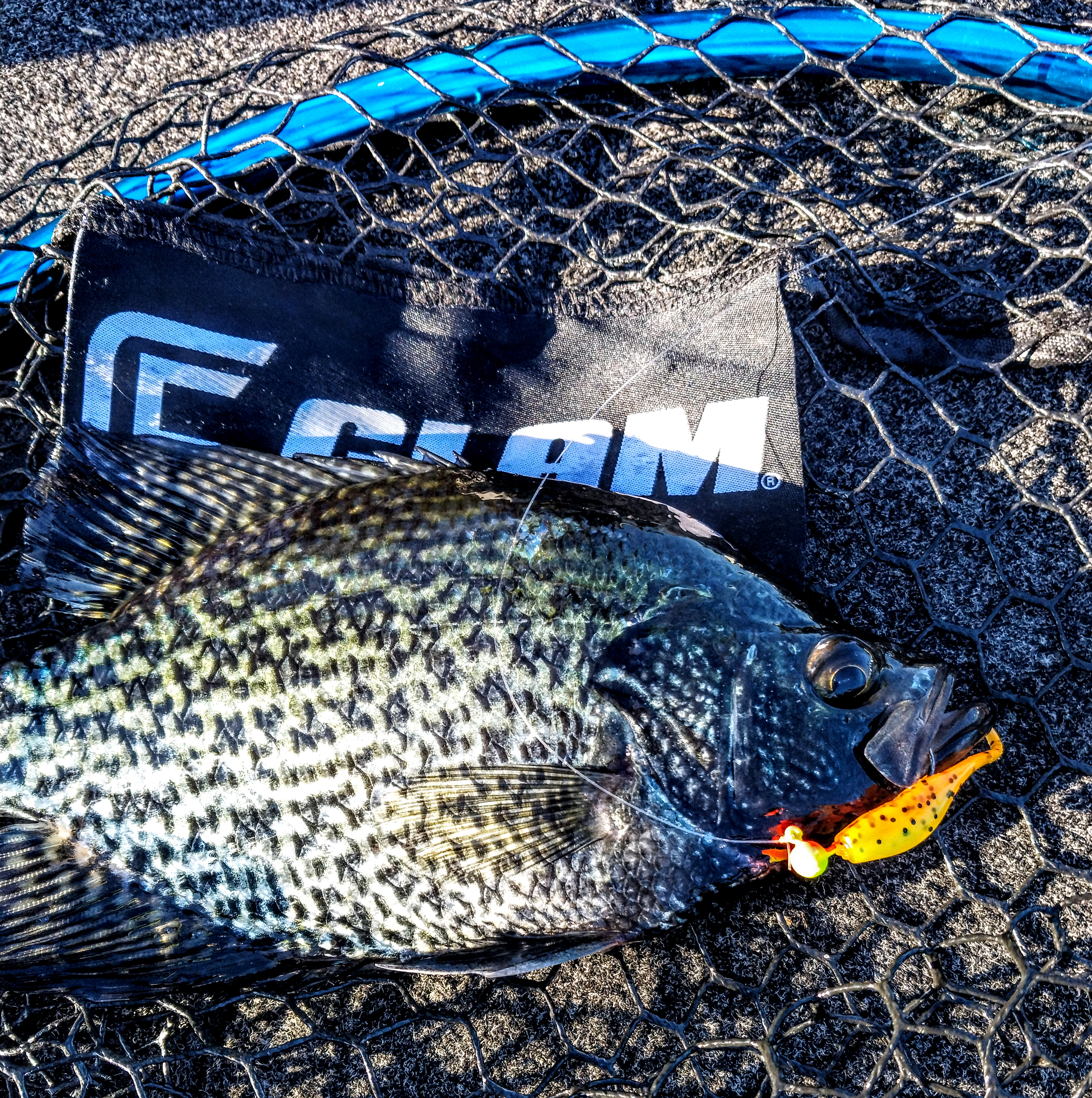
The weather has not been ideal lately, with lots of weather changes, cold mornings and rain, but we're still managing to catch some crappies. The water on this particular section of the lake started out at 50.7 degrees in the morning and by early afternoon it was up to 52 degrees. The crappies were sitting in about 7 feet of water around healthy weed patches. If your jig wasn't right over the weeds, you weren't getting bit. A jig and Clam Niku plastic under a bobber was the prefered tactic. If we could string together a few really nice days with sun and little or no wind, these crappies will be on fire! Book your spring crappie guide trip before it's too late.